When it’s damp and cold outside, a load of wet laundry can sit for days. The fix is not more heat, it is smarter placement: air moving between every piece, a little gentle warmth nearby, and less water in the clothes before they ever leave the washer.
Whether your dryer is on the fritz, your energy bill is climbing, or you just don’t want to run it for every towel, air drying indoors can work well in winter. It simply needs a plan. Here is the setup that keeps things drying fast and smelling fresh.
Skip the rack and use hangers
A crowded drying rack is where laundry goes to stay damp. Fabric piled over bars traps moisture in the folds, so one side feels dry while the other is still cold and clammy.
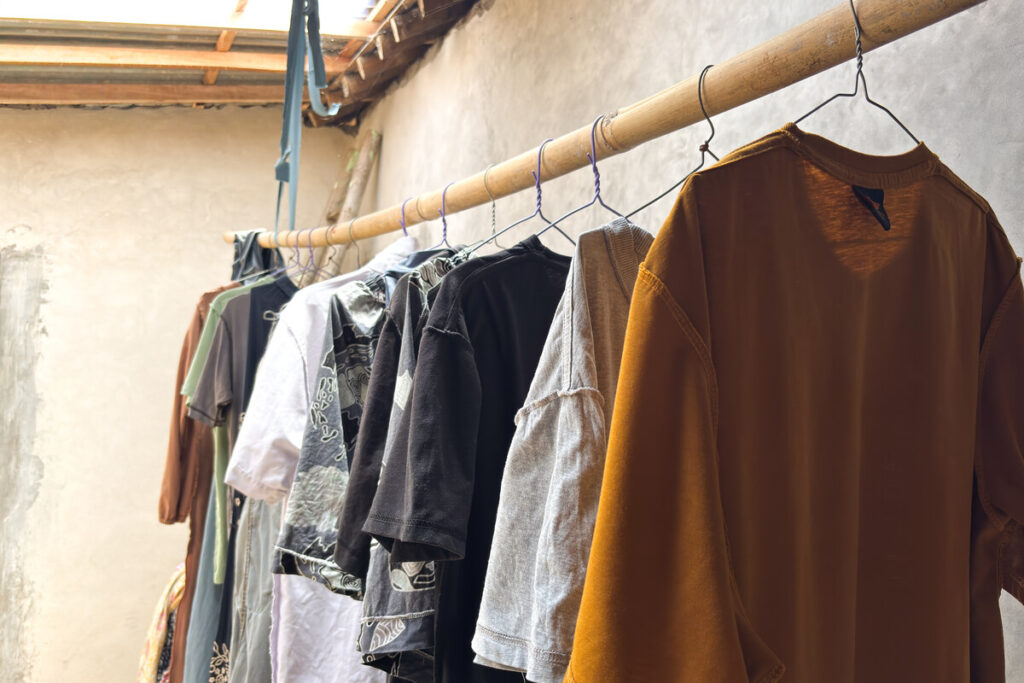
Hanging each piece on its own hanger lets the garment fall open, which gives air access on both sides. Clothes dry faster and come out far less wrinkled, so there is less ironing, and shirts, blouses and pants can go straight from the hanger to the closet without being folded first.
Pick one permanent drying spot
This works best when it is a habit, not a scramble. Choose one place in your home and keep it ready: a laundry room, a hallway, a corner of the living room, or a doorway with a tension rod or a sturdy rail across it. All you need is something to hang hangers from.
A few things make a spot work better:
- Leave space between pieces. Items touching each other will stay damp even in a good location.
- Look for natural air movement, such as a spot near a door or a window that you can crack open for a few minutes.
- Stay near a gentle heat source, like a warm room or a heating vent, but not directly on top of it. Never drape fabric over a space heater.
Add a little warmth and moving air
Drying comes down to two things: warmer air holds more moisture, and moving air carries that moisture away. A room that is comfortably heated with a bit of circulation will beat a cold, still one every time.
A small fan pointed at the hangers helps a lot. Some people also tuck a hot water bottle among thicker items like jeans or sweaters to raise the temperature around them. It is a low-tech trick, and it only needs to be a mild boost, nothing more.
Get more water out before you hang
Less water in means less drying time. Two easy habits help:
- Run an extra spin cycle at the end of the wash.
- Toss a clean, dry microfiber towel into the washer near the end of the cycle so it soaks up some of the excess water.
Keep the room from turning damp
All that evaporating water has to go somewhere. If the air in the room gets heavy, drying slows down and the house can start to smell musty.
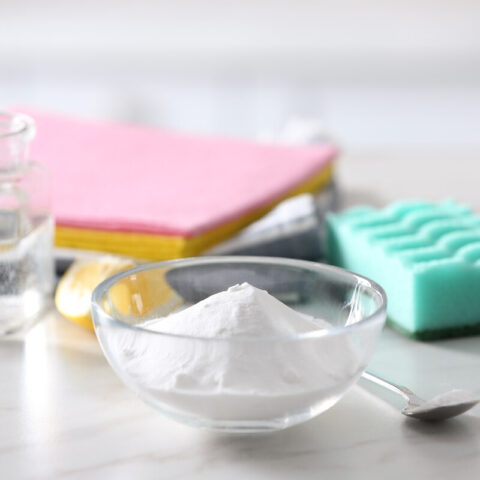
Open a window for about ten minutes a day so the humid air can escape. A small bowl of baking soda or a bag of activated charcoal set nearby can help absorb extra moisture and odors. If you have a bathroom exhaust fan, running it while a load dries in there makes a real difference.
A simple winter routine
Around here, the routine is easy: spin it twice, hang everything on hangers, space them out, and put the fan on. By the next day most loads are ready to go straight into the closet. Heavy items like towels and jeans may need a little extra time, and that is okay.