A fresh coat of paint is one of the cheapest ways to make a tired room feel brand new. The part nobody looks forward to is the cleanup, and the paint tray is usually the worst offender. Before you grab another pack of disposable liners, check under your kitchen sink: a plain trash bag does the exact same job.
Around here, painting projects tend to happen in the small windows between school pickup and dinner, so anything that shaves time off the cleanup is a win in my book. This one costs next to nothing and you almost certainly already have what you need.
Why paint tray liners are not really necessary
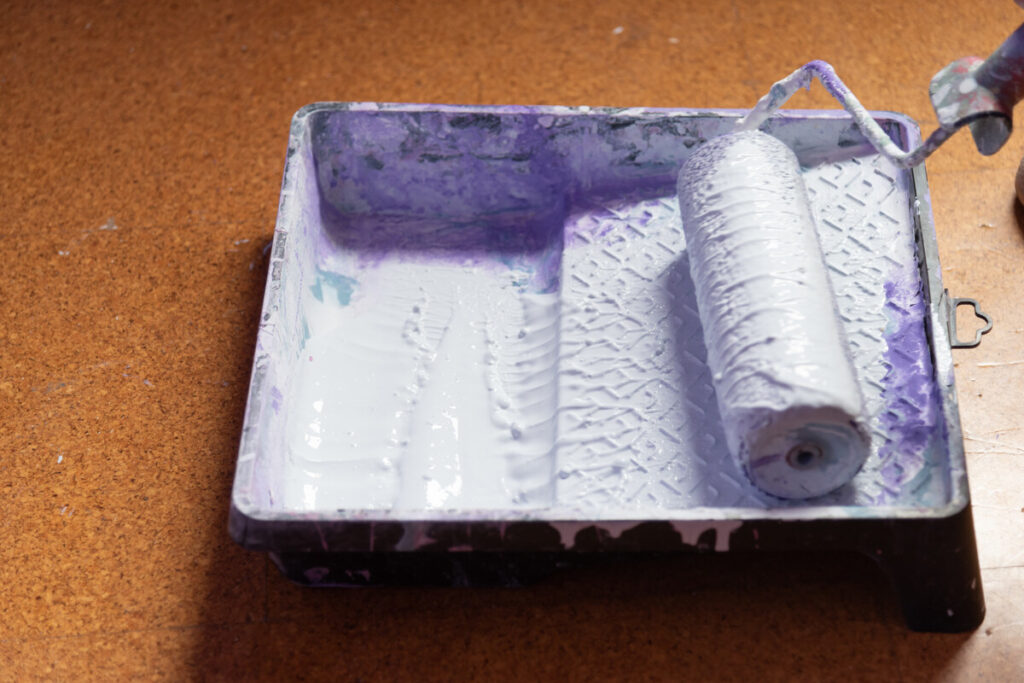
Store-bought liners are thin plastic shells that sit inside your tray so the paint never touches the tray itself. When you are done, you peel the liner out, toss it, and the tray underneath looks practically new. No scrubbing, no rinsing paint down the sink.
The idea is great. The catch is that you have to buy them in packs, you need the right size for your tray, and you end up throwing away a molded piece of plastic after every single project. If you only paint a room or two a year, you probably never have one on hand when you actually need it.
A small trash bag gives you the same protection with zero extra shopping. The tray stays clean, the paint does not drip anywhere it should not, and cleanup comes down to one quick move.
Pick the right bag before you start
Not every bag works equally well, so take ten seconds to choose:
- Go for clear or white. A black bag changes how the color looks in the tray, which makes it harder to judge the shade you are rolling onto the wall.
- Choose a thicker bag. Thin, flimsy plastic can tear when the roller drags across the ridges.
- Size it for the tray. A small bathroom or bedroom wastebasket bag is usually perfect. Too small and it pulls tight on the edges and can rip; way too big and you are fighting extra plastic.
How to turn a trash bag into a tray liner
- Start with a clean, dry tray. Any old dried paint or dampness will make the plastic shift around.
- Slide the tray all the way into the bag so it sits flat against the bottom.
- Smooth the plastic into the tray. Gently pull it so it hugs the shape of the tray, pushing out wrinkles, especially on the ridged ramp where your roller will go.
- Tuck the extra underneath. Fold the open edges of the bag back and under the tray so it stays put.
- Add a little painter’s tape along the sides if the plastic still wants to slide.
Then pour your paint into the deep end like you normally would and work with your roller or brush. The tray behaves exactly the same, the plastic just keeps the paint from settling into every corner.
Pouring leftover paint back into the can
When you finish for the day, tilt the tray and let the extra paint run back into the can. One handy move: gather up a corner of the bag to form a little spout. It guides the paint right where you want it and cuts down on drips down the side of the can.
Cleanup in about ten seconds
Once the wall is done, lift the bag off the tray slowly and turn it inside out as you go, so the wet paint ends up trapped inside instead of dripping onto your floor or tile. You can let the leftover paint dry inside the bag before tossing it (check your local rules for paint disposal if you have a lot left over).
Your tray goes straight back on the garage shelf, clean and ready for the next project.
Bonus: keep your roller ready for tomorrow
If the job is going to take more than one day, the same trick saves your roller and brush too. Let them drip off the excess paint, then wrap them in a trash bag sealed snugly around the handle, or in a layer of heavy plastic wrap. Sealed up like that, they stay moist for a day or two, so you can pick up right where you left off without a full wash in between.
It is a tiny change, but it means less money spent on single-use accessories, less scrubbing at the utility sink, and one less excuse to put off that room you have been meaning to repaint.