Ashes that look gray and harmless can still hide live embers for days, and a plastic trash can full of paper and cardboard is the perfect place for them to wake back up. If you burn wood this fall, a cheap metal bucket and a little patience are all it takes to keep that cozy fire from turning into a garbage can fire.
Around here, the end of a fire usually comes with a to-do list: the stove is barely warm, the kids need baths, and scooping out the firebox feels like one more chore to knock out before bed. It is so tempting to shovel the ashes into a bag and drop them in the bin by the garage. That quick habit is exactly how a lot of house fires get started every winter.
Fire departments across the country see it again and again: a trash can goes up in flames because of ashes someone thought were cold. Some of those fires have started from ashes that sat for two or three days before being tossed. In other words, how the ashes look tells you almost nothing about how hot they still are.
Why embers stay hot long after the fire is out
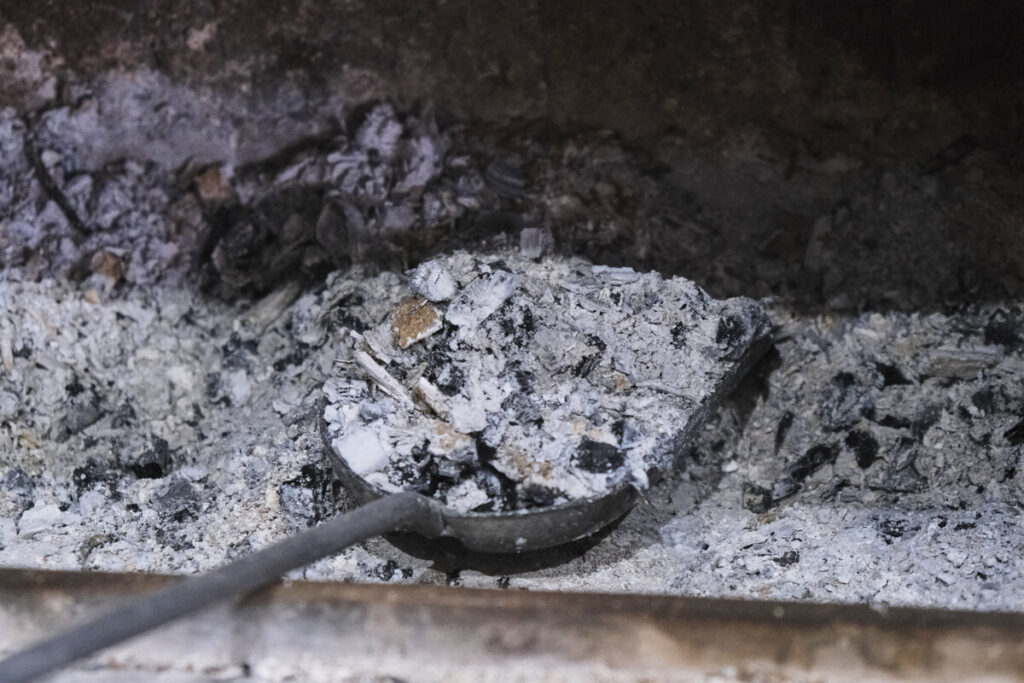
A smoldering ember does not look like fire. There are no flames, no glow you can see from across the room. What happens is that a thin layer of fine ash settles over the coals and acts like insulation, holding the heat in the middle of the pile. Many stove manuals warn that this kind of residue can stay active for several days after the fire dies down.
All that hidden heat needs is a little fresh air or something easy to burn, and it can flare right back up. Tipping the ashes into a new container gives it both.
Why the trash can is the worst place for them
Think about what is inside a typical kitchen or curbside bin: a plastic can, a plastic liner, paper towels, cereal boxes, food scraps, maybe an old t-shirt. Every single one of those things can burn, and once the lid is closed the heat has nowhere to go. Many local fire codes actually forbid putting hot ashes or embers in any container that can burn for this reason.
The danger does not stop at your driveway, either. Ashes that still have some heat in them have been known to set fire to garbage trucks and even recycling and sorting facilities once they are dumped in with everything else.
There is one more risk people forget: warm ashes can give off carbon monoxide. That is why you never want to leave a bucket of them sitting in the garage, the mudroom or any other closed space, even for a night.
A simple routine for getting rid of ashes safely
The good news is that the safe way is not complicated. It mostly comes down to keeping the ashes apart from anything that can burn and giving them real time to cool.
- Let the fire burn out completely, then pour a little water over the ashes if needed and shovel them into a metal container with a tight-fitting metal lid. A galvanized ash bucket is inexpensive and lasts for years.
- Set the bucket outside on a surface that will not burn, like concrete, stone pavers or bare dirt, at least 10 feet away from the house, the garage, the shed, a fence or a wood deck.
- Give it time. Plan on at least three days, and closer to a week for big piles like the ones from an outdoor fire pit. Stir the ashes now and then so any buried coals get a chance to burn out.
- Check before you dump. Only empty the bucket into the trash once every bit of ash feels completely cold to the touch. If any spot is still warm, give it more time.
A few extra details make a big difference. Keep the bucket off a wooden porch or balcony and away from leaf piles, firewood stacks and anything else that could catch. Never use a cardboard box, a paper bag or a plastic bucket as a “temporary” ash container, not even for the few minutes it takes to carry it outside. And keep the shovel and bucket used only for ashes, so nobody mistakes them for something else.
The habit worth building this season
Once a metal bucket lives by the back door, the whole thing becomes automatic: scoop, carry it out, close the lid, wait. It takes about the same amount of time as bagging the ashes for the trash, and it means that relaxing evening by the fire ends with a cozy house instead of a call to the fire department.