
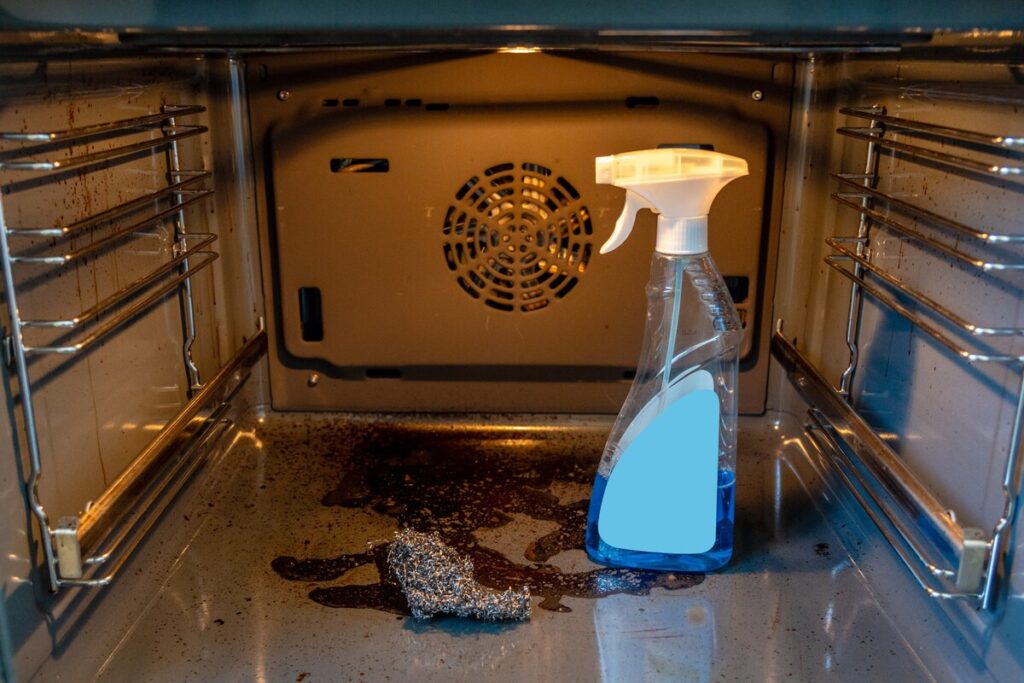
Baked-on cheese, pizza drips and splattered casseroles can turn the inside of an oven into a mess fast. Before you reach for a spray that makes your eyes water, try a thick paste made from salt, baking soda and a little water.
Around here, the oven is the one appliance that gets ignored until something starts smoking. The good news is that this cleaner uses things you already have in the pantry, and it does most of the work while you are busy with something else.
Why this paste works
Mix salt and baking soda with water and you get a gentle, gritty paste that clings to surfaces. It sits on the grease, softens it over time, and helps lift it away when you wipe. It is aimed at the enamel walls inside the oven, where splatters and brown spots build up.
The key is patience. Letting the paste sit does the heavy lifting, so you do not have to scrub hard.
How to make and use it
Start with a completely cool oven. Make sure it is switched off and cold before you touch anything.
- Stir equal parts salt and baking soda together in a bowl. A few tablespoons of each is plenty for a standard oven.
- Add water a little at a time, stirring as you go, until you have a thick paste. It should hold on a vertical wall without sliding down.
- Spread the paste over the stained areas inside the oven, pressing a bit more onto the burnt spots. You do not need to coat clean corners.
- Let it sit for about an hour. For a really baked-on oven, give it up to two hours.
- Wipe it all off with a damp cloth or sponge, rinsing the cloth often.
Mistakes that make it work less well
A few small slip-ups can ruin the results:
- A runny paste. If it is too watery, it drips off the walls before it can work. Add more baking soda and salt until it thickens.
- Rushing the wait. A short soak means less grime loosened. Give it the full hour before you wipe.
- Leaving residue behind. Keep wiping and rinsing until no salty or powdery film remains, even if it takes a few passes. Otherwise it can leave a white haze or smell when you preheat.
- Grabbing a harsh scraper. If some burnt spots are still there after the soak, do not attack them with rough tools. Apply a fresh layer of paste and wait again.
When to repeat it
One round is often enough for everyday splatters. For old, dark spots, a second application usually does better than aggressive scrubbing. It takes patience, but your oven walls will thank you.
Next time you see a little smoke from last week’s lasagna, you will know exactly what to mix.