Tossing a dishwasher pod into the drum and running a hot cycle looks like the easiest washer cleaning hack on the internet. It is cheap, it smells clean, and it feels like a win. The problem is that it can quietly create the exact mess you were trying to get rid of.
If you have scrolled through cleaning videos lately, you have probably seen it: one or two dishwasher tablets, the hottest setting, and a washer that supposedly comes out sparkling. I get the appeal. Around here, the washing machine runs pretty much nonstop, and anything that promises a quick reset without buying another bottle of something sounds great. But before you try it, it helps to know why washer makers and cleaning pros keep saying no.
Why your washer gets grimy in the first place
Washing machines clean our clothes, but nobody really cleans them back. Over time, leftover detergent, fabric softener, body oils, lint and hard water minerals build up on the drum, inside the rubber door gasket and in the dispenser drawer. That buildup is what causes the musty smell, the gray film on the gasket and sometimes those mystery spots on freshly washed shirts.
So the urge to find a fast fix makes total sense. The trouble is that the internet and the people who actually build washers are not giving the same advice.
What manufacturers say about dishwasher pods
Washer manufacturers are pretty clear on this one. Their guidance is to skip dishwasher pods and dishwasher detergent entirely, both for cleaning the machine and for washing clothes. Instead, they point people toward a product made for the job: a washing machine cleaner to dissolve greasy residue, and a descaler to deal with mineral buildup if you have hard water. Both are meant to be used every few months, not every week.
The general rule from cleaning industry groups is just as simple: use cleaning products only the way the label says. A dishwasher pod label says dishwasher, not washer.
What can actually go wrong
Dishwasher detergent is designed to work at higher temperatures than most washing machines reach, even on their hottest cycle. In a washer, a pod may not dissolve completely. That leaves gummy bits stuck in the drum, in the folds of the door seal or in the hoses, which can turn into the very odors and mildew you wanted to scrub away.
Then there is the foam. A pod is formulated for a dishwasher’s spray and water volume, not for a washer tumbling a drum full of water. Too many suds can confuse the machine’s sensors, drag out the cycle or even spill out of the door or detergent drawer. Nobody needs a bubble flood on the laundry room floor.
And finally, whatever residue stays behind ends up touching your clothes in the next few loads. Those ingredients were made for plates and glasses, not for fabric against your skin.
How to keep your washer clean the easy way
The good news is that a fresh washer has more to do with a few small habits than with any big dramatic hack. Here is the routine that keeps things under control:
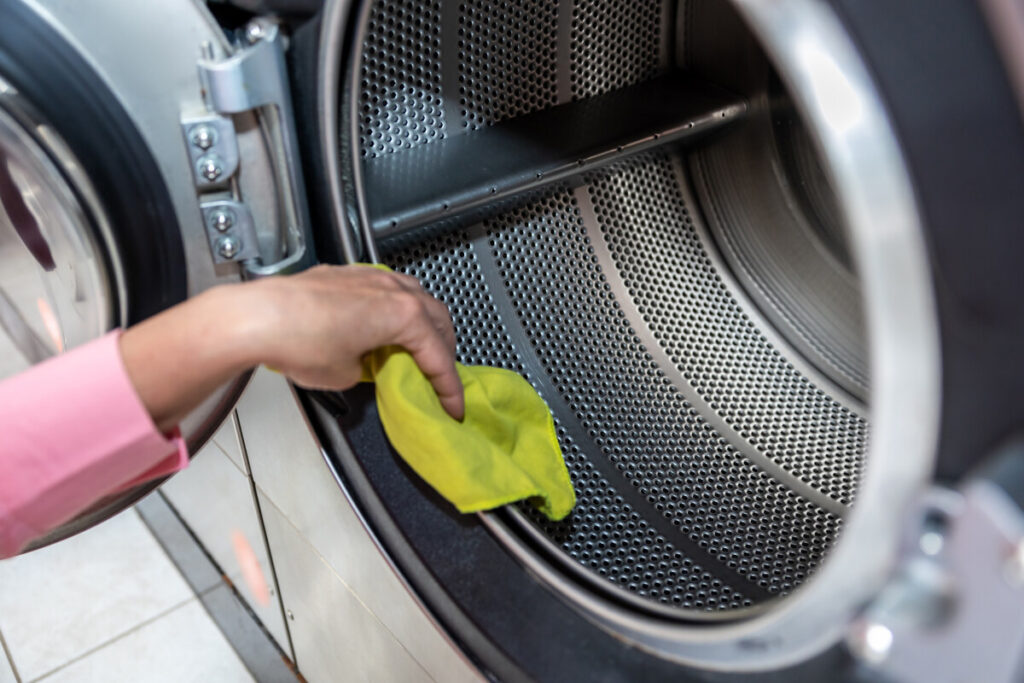
- Wipe the door gasket after laundry day to get rid of trapped moisture, lint and any early mildew.
- Leave the door and dispenser drawer cracked open between loads so the inside can air out and dry.
- Rinse out the dispenser drawer every so often so detergent and softener do not cake up inside.
- Check and clean the drain pump filter now and then, since it is often the hidden source of bad smells.
- Run a cleaning cycle every few months with a product made for washing machines, plus a descaler if your water is hard.
It is not flashy, and it will never go viral, but it works. A two minute wipe after laundry day does more for your washer than any hack you will find online, and your towels will thank you for it.