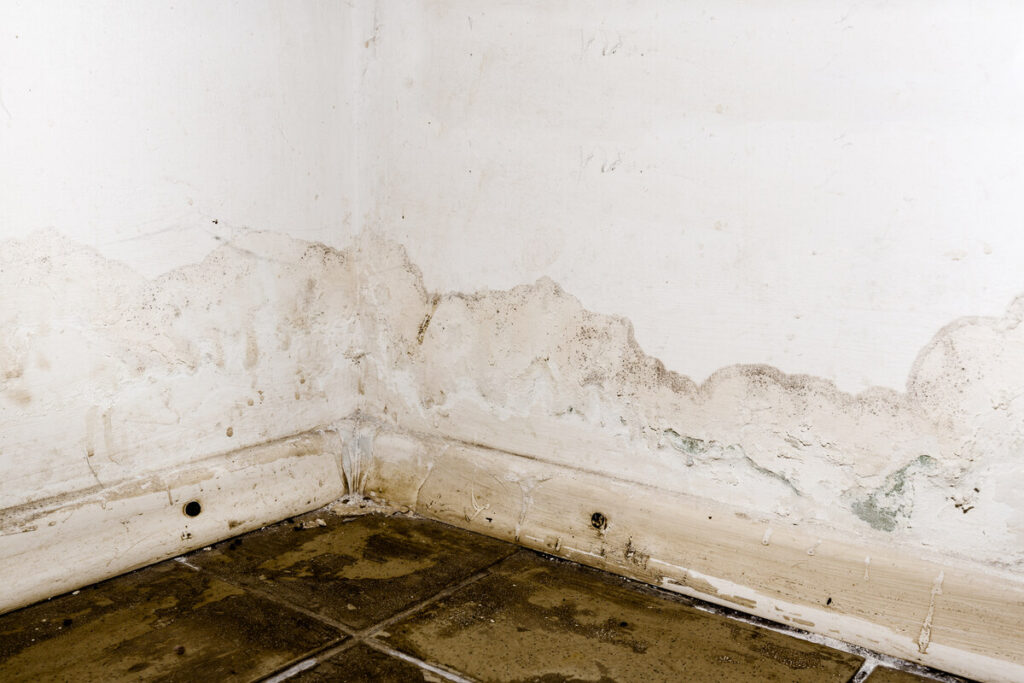
Every fall it happens somewhere in a house: the heat kicks on, the windows stay shut, and a dull, damp-looking patch shows up on a bedroom or living room wall. Before you start pricing out repairs, a square of kitchen foil and a roll of tape can tell you a lot about where that moisture is actually coming from.
Around here, a mystery spot on the wall is the kind of thing I would happily ignore until it becomes a real problem. But a damp patch can mean very different things. It might be mold getting started, water working its way in from outside, a pipe quietly leaking behind the drywall, or just paint that is bubbling and peeling. From the outside, they can all look about the same. This little test helps you sort it out in a day or two, for basically nothing.
Why damp walls show up when the weather turns cold
Once the cold settles in, the air inside our homes picks up a lot of water vapor. Hot showers, pots simmering on the stove, a load of laundry drying on a rack in the corner: all of that moisture has to go somewhere. At the same time, exterior walls get colder, and the gap between the warm air in the room and the chilly surface of the wall gets bigger. That is exactly the setup for condensation.
Not every wet spot is condensation, though. Some moisture rises from the ground or a crawl space and wicks up through the base of the wall. Some comes from a leak, either a plumbing line or rain getting in through a crack or worn-out seal. And sometimes it is just the paint itself failing. Left alone, a persistent damp patch can affect both the air you breathe and the structure of the house, so it is worth figuring out which kind you are dealing with.
The foil test does not fix anything, but it answers the most important first question: is the water coming from the air in the room, or from inside the wall?
How the foil test works
Aluminum foil acts as a vapor barrier. Air and moisture cannot pass through it, and it slows down evaporation underneath. When you seal a piece of foil against the wall, you create a small zone where the room and the wall are separated from each other. After a day or two, you simply look at which side of the foil got wet.
What you need
- A roll of regular aluminum foil
- Scissors
- Tape (painter’s tape or packing tape both work)
Step by step
- Cut a square of foil about 8 inches by 8 inches.
- Press it flat against the damp or suspicious area of the wall. It does not matter whether the shiny side or the dull side faces out, as long as the foil sits snug against the surface.
- Tape all four edges carefully so no air can slip in behind the foil. This is the part that matters most, so take your time.
- Leave it alone for 24 to 48 hours. No peeking, no lifting a corner to check.
How to read the results
Once the wait is over, the answer is usually obvious at a glance.
Water on the outside of the foil
If you see droplets or a foggy film on the side facing the room, the problem is condensation from the air inside your home. Warm, humid air is hitting a cold surface and turning back into water, the same way a glass of iced tea sweats on a summer day. In that case, the fix is usually about managing indoor humidity: running the bathroom and kitchen exhaust fans, cracking a window for a few minutes each day, drying laundry somewhere with good airflow, and keeping furniture a little away from cold exterior walls so air can circulate.
Water behind the foil
If the side touching the wall is damp when you peel the square off, the moisture is coming from inside the wall itself. That points to things like water rising from the ground, a broken or leaking pipe, or water getting in from outside through a crack or a failed seal. Keep an eye on the spot to see whether it grows, check any plumbing that runs nearby, and take a look at the exterior of the house on that side.
If the patch keeps spreading, mold starts to appear, or a strong musty smell sticks around, it is time to call in a pro. The same goes for any serious water damage. The foil test is a quick clue, not a full diagnosis.
Why it is worth trying before you spend a dime
What I love about this trick is that it saves you from guessing. Repainting over a damp spot caused by a hidden leak is wasted money, and tearing into a wall when the real issue is a steamy bathroom is even worse. A square of foil and a strip of tape will not repair anything, but in a day or two they tell you whether you are dealing with the air in the room or something going on deep inside the wall, and that makes the next step a whole lot clearer.