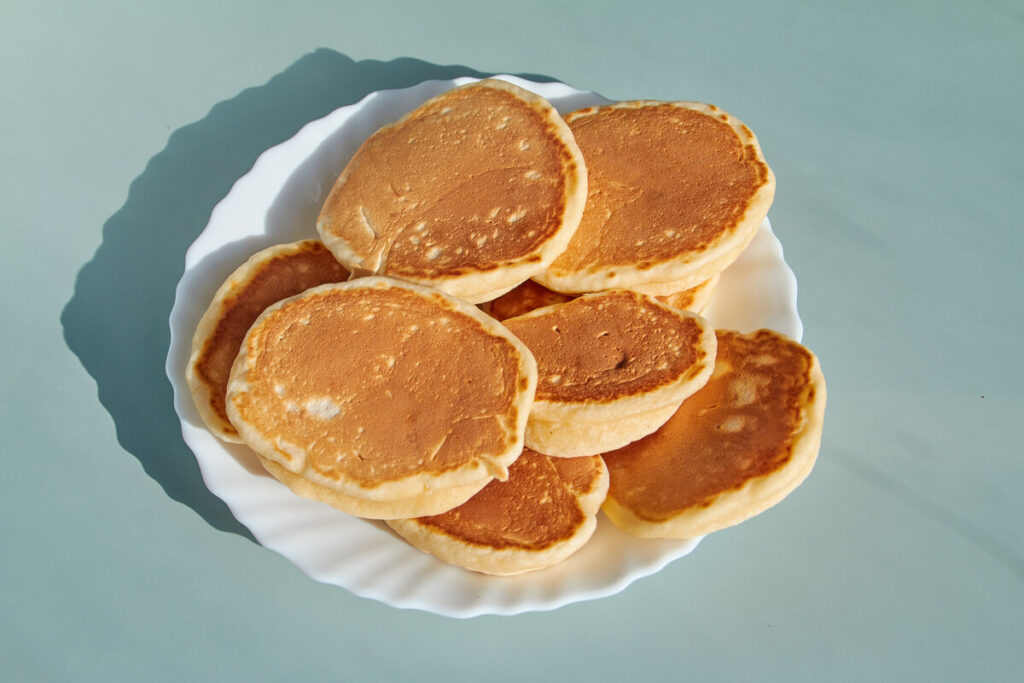
Pancakes look like the easiest breakfast in the world until the first one comes out flat, pale in the middle and welded to the pan. The good news is that fluffy, golden pancakes are mostly about a few small habits, and once you know them, weekend breakfast gets a whole lot calmer.
Around here, pancakes are the thing everyone asks for on slow mornings, and they are also the thing most likely to turn my kitchen into a sticky mess. So these are the tricks I lean on to get a tall, tender stack without fuss, followed by a simple recipe you can make from pantry staples.
Start with a batter that has no lumps
Lumpy batter usually means the flour never got fully mixed in. The simplest fix is to sift the flour and baking powder together before you add anything wet. It takes a minute and makes a real difference. If you want to skip the whisking altogether, toss everything into a blender and pulse until smooth.
Whip the egg whites for extra fluffy pancakes
This is the trick that turns good pancakes into the soft, airy kind you get at a diner. Separate your eggs, mix the yolks into the batter as usual, then beat the whites until they hold stiff peaks. Gently fold them in at the very end. All that trapped air gives you a lighter, much more tender pancake.
Keep them the same size
Real American style pancakes are all about consistency. When every pancake is roughly the same width and thickness, they cook at the same pace and you are not left with one burnt giant and three raw little ones. Big, thick pancakes are the hardest to get right, so keep them modest. And yes, the first one is allowed to be ugly. Everyone knows the first pancake is the cook’s snack.
For perfectly round pancakes, pour the batter into a clean, empty squeeze bottle (an old ketchup or honey bottle works great). You get neat circles and no drips across the counter. Silicone pancake rings are another easy option if you like a picture perfect stack.
Stop pancakes from sticking to the pan
A good nonstick skillet or griddle is your best friend here. A little butter or oil helps too, but go easy, since too much leaves your pancakes greasy. Keep the heat moderate rather than high: if the pan is screaming hot, the batter sets too fast and grabs onto the surface.
Get the heat and timing right
Here is where most pancakes go wrong. Warm your pan with a little butter for about a minute before the batter goes in. It is tempting to start right away, but pancakes are much thicker than crepes, and in a cold pan they brown on the outside while staying raw in the middle.
Not sure if the pan is ready? Flick in a few drops of water. If they sizzle and dance, it is time to cook. Plan on about 2 minutes per side. When little bubbles show up on the surface and start to pop, flip.
My go to fluffy pancake recipe
This batch serves 4 and takes about 10 minutes to mix, plus a few minutes per pancake on the stove.
Ingredients
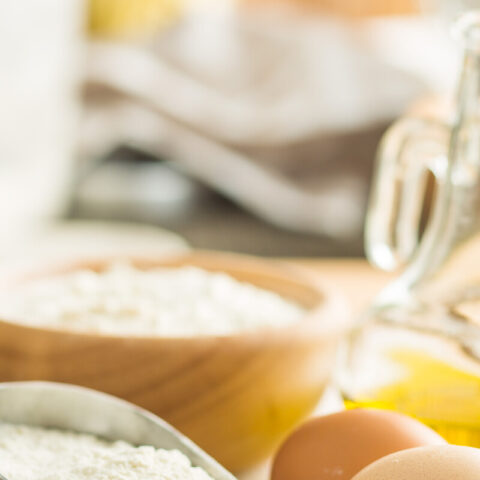
- 2 cups all purpose flour
- 6 tablespoons granulated sugar
- 1 tablespoon baking powder
- 1 pinch of salt
- 1 teaspoon vanilla extract
- 2 large eggs
- 3 1/2 tablespoons butter, melted, plus a little more for the pan
- 1 2/3 cups whole milk
Instructions
- Sift the flour and baking powder into a large bowl, then stir in the sugar and salt.
- Make a well in the center. Add the eggs, melted butter, vanilla and a splash of the milk, and start mixing.
- Pour in the rest of the milk little by little, whisking until the batter is smooth and falls from the whisk in a thick ribbon.
- Heat a small nonstick skillet over medium heat and add a little butter.
- Pour about 1/4 cup of batter into the center of the hot pan. Cook 2 to 3 minutes, until bubbles form on top.
- Flip gently with a spatula and cook 1 to 2 minutes more, until golden and puffed.
- Repeat with the remaining batter and serve warm with maple syrup, jam or a drizzle of honey.
Fresh fruit, a spoonful of chocolate hazelnut spread or a little caramel sauce all work too. Pancakes are just as good as an after school snack as they are for breakfast.
Easy swaps for dairy free or gluten free pancakes
If someone at your table skips dairy or eggs, you can still make a soft stack. Swap the cow’s milk for any plant milk you like, such as soy, almond or oat. In place of the eggs, a little extra vegetable oil does the job nicely.
For gluten free pancakes, the change happens with the flour and the leavening. Skip the regular wheat flour and reach for rice, buckwheat, chickpea or corn flour, or a starch like potato or tapioca. Just make sure your baking powder is labeled gluten free, since some brands are not.
How to store and reheat leftover pancakes
Made too many? Lucky you. Wrap leftover pancakes in plastic wrap or tuck them into an airtight container and keep them in the fridge for up to 2 days. For longer storage, freeze them for 2 to 3 months. When you are ready to eat, let them thaw for about 2 hours, then give them a quick spin in the microwave to bring back that soft, fluffy texture. Hello, easy school morning breakfast.